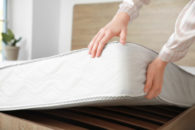
Getting quality sleep is one of the most important things you can do for your health, and the mattress you choose plays a crucial role in achieving it. A good mattress supports your body properly, reduces pain, and helps you wake up feeling refreshed. With so many options available today, finding the right one can feel overwhelming. This guide will help you navigate the mattress selection process based on your specific sleep needs and body requirements.
Understanding Your Sleep Position
Your sleep position is one of the most important factors to consider when choosing a mattress. Different positions require different levels of support and cushioning. If you sleep on your back, you need a mattress that maintains the natural curve of your spine while providing adequate support under your lower back. Back sleepers typically benefit from medium-firm mattresses that prevent excessive sinking while offering comfort.
Side sleepers have different needs because their weight is concentrated on smaller areas like the hips and shoulders. For side sleepers, a softer to medium-firm mattress works best because it allows these pressure points to sink in slightly while still providing spinal alignment. This prevents uncomfortable pressure buildup that can lead to pain and restlessness.
Stomach sleepers need firmer mattresses to prevent their midsection from sagging too much, which can cause lower back strain. If you tend to switch positions throughout the night, a medium-firm mattress is usually the safest choice as it balances support and comfort for multiple sleeping styles.
Selecting the Right Firmness Level
Mattress firmness is described on a scale, typically ranging from very soft to very firm. Firmness preferences vary greatly depending on body weight, sleep position, and personal comfort preferences. Lighter individuals, generally under 130 pounds, may find that softer mattresses feel more comfortable because they need less push-back to feel supported. These sleepers often prefer mattresses that contour to their body shape.
Medium-weight individuals, roughly between 130 and 230 pounds, typically find that medium to medium-firm mattresses provide the best balance of comfort and support. This range works well for most sleepers and is why many manufacturers focus on these firmness levels.
Heavier individuals, over 230 pounds, often need firmer mattresses to prevent excessive sinking and to maintain proper spinal alignment. Firmer mattresses provide more support and durability for heavier weights. It is important to test mattresses or read reviews from people with similar body weights to get accurate information about how a mattress will perform for you.
Personal preference also matters significantly. Some people simply enjoy sleeping on softer mattresses regardless of what experts recommend, while others prefer the feel of a firmer surface. The best firmness level is one that allows you to sleep comfortably through the night without waking up in pain.
Addressing Back Pain and Spinal Support
Back pain is one of the most common reasons people replace their mattresses. A mattress that does not provide adequate support can exacerbate existing back problems or create new ones. When your spine does not maintain its natural alignment while you sleep, your muscles must work harder to compensate, leading to pain and stiffness.
For people with back pain, finding a mattress that supports the natural S-curve of the spine is essential. The mattress should keep your spine neutral, meaning it should not sag excessively or feel too rigid. This varies depending on your sleep position. Back sleepers need support under their lower back and neck, while side sleepers need proper support along their entire spine, especially at the shoulders and hips.
Memory foam mattresses are often recommended for back pain because they conform to your body and distribute weight evenly. This reduces pressure points and promotes spinal alignment. Latex mattresses also offer good support and respond quickly to body movements. Innerspring mattresses with high-quality coils can provide support, but they may not be ideal for pressure relief.
Hybrid mattresses, which combine foam or latex with innerspring coils, offer a middle ground. They provide the support of coils with the comfort and pressure relief of foam. Many people with back pain find hybrid mattresses to be beneficial because they balance support and comfort effectively.
Considering Materials and Construction
Mattress materials significantly impact how they perform and how long they last. Memory foam mattresses contour closely to your body and excel at pressure relief and motion isolation. However, they can retain heat, making them uncomfortable for hot sleepers. Gel-infused memory foam addresses this issue by dissipating heat more effectively.
Latex mattresses are naturally breathable and provide firm support with responsive bounce. They are durable and naturally hypoallergenic, making them a good choice for people with allergies. Latex mattresses tend to be more expensive than other options, but they often last longer.
Innerspring mattresses use coils for support and are typically more affordable. They provide good airflow and bounce, which some people prefer. However, they may not offer as much pressure relief as foam or latex options, and they can transfer motion between sleeping partners.
The comfort layer is what you feel when you lie on the mattress. This can be made of foam, latex, or fiberfill. A thicker comfort layer provides more cushioning, while a thinner one offers more of the support layer’s feel. Your preference for how much cushioning you want plays a role in which mattress feels best.
Testing and Purchasing Your Mattress
Before making a purchase, spend time testing mattresses in a showroom. Lie on potential mattresses in your typical sleep position for at least ten to fifteen minutes. This gives you a better sense of how the mattress will feel over a full night of sleep. Avoid rushing this process, as you will be spending a third of your life on this mattress.
Read customer reviews online, paying special attention to feedback from people with similar body weights and sleep positions to yours. Long-term reviews, after people have slept on the mattress for several months or years, are particularly valuable because they indicate durability and lasting comfort.
Check the warranty and return policy. Many mattress companies offer trial periods ranging from 30 to 100 nights, allowing you to sleep on the mattress at home before committing to it. This is extremely valuable because a mattress that feels comfortable in a store might feel different in your own bedroom environment.
Consider your budget, but remember that investing in a quality mattress is an investment in your health. A good mattress typically costs between 800 and 3000 dollars, depending on size and quality. Cheaper mattresses may wear out quickly and fail to provide adequate support, while extremely expensive mattresses do not always mean better quality or better sleep.
Conclusion
Choosing the right mattress requires considering your sleep position, body weight, firmness preferences, and any specific health concerns like back pain. Take time to test different options and read reviews before making your decision. A mattress that properly supports your spine and allows you to sleep comfortably will improve your sleep quality and overall health. Remember that the best mattress is the one that keeps you comfortable through the night and helps you wake up feeling refreshed and pain-free.
Need a Furniture Store in Houston, MO?
Crowleys Homeworks has been in the furniture sales business since 1993, we know a thing or two about quality home furniture! We carry items such as home decor, mattresses, recliners, carpeting, and more. We also offer free pickup and delivery! Our business philosophy as a furniture store is simple: Treat our customers as we would our best friend, with honesty, and courtesy, and strive to meet their needs with minimum aggravation and maximum value. Call us today!