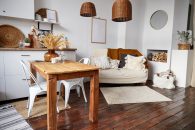
Selecting the right furniture for your home is one of the most important decisions you’ll make as a homeowner or renter. Your furniture not only defines the aesthetic appeal of your living spaces but also impacts comfort, functionality, and how you experience your daily life. Whether you’re furnishing a brand new home or refreshing existing rooms, understanding how to choose the perfect pieces requires careful consideration of style, quality, budget, and purpose.
This guide will walk you through the essential steps to make informed decisions about home furniture that will serve you well for years to come.
Understanding Your Space and Lifestyle Needs
Before you start shopping for home furniture, take time to assess your specific needs and how you actually live. Consider the size and layout of each room, including ceiling height, natural lighting, and architectural features. A sprawling sectional sofa might look stunning but could overwhelm a small living room. Similarly, delicate glass tables may not be practical if you have young children or pets.
Think about your daily activities and how each room functions. A home office needs a comfortable, ergonomic chair and adequate desk space for productivity. A family room requires durable, stain-resistant fabrics if you have kids. A bedroom should prioritize comfort and relaxation with a quality mattress and supportive bedframe. Your dining room might need to accommodate both everyday meals and entertaining guests. Understanding these lifestyle factors helps you prioritize which features matter most for each piece of home furniture you purchase.
Also consider your future plans. If you might relocate in a few years, investing in modular or easily movable pieces makes sense. If you plan to stay put, you can choose heavier, more substantial pieces. These practical considerations will guide your selections and help prevent costly mistakes.
Establishing a Cohesive Design Style
Developing a clear design vision before shopping prevents impulse purchases and ensures your home furniture pieces work together harmoniously. Browse design magazines, Pinterest, and interior design websites to identify styles that resonate with you. Do you prefer modern minimalism, traditional elegance, rustic warmth, contemporary eclectic, or something else entirely?
Once you identify your preferred style, gather inspiration images and create a mood board. Notice common colors, materials, textures, and design elements in these images. This helps you recognize patterns in your taste and establishes guidelines for selecting home furniture.
Your design style should complement your home’s architecture and existing elements. A Victorian-style dresser might clash in a mid-century modern house, while sleek metal and glass pieces might feel out of place in a cozy cottage. This doesn’t mean everything must match exactly, but there should be a cohesive thread connecting your choices. Consider how new furniture will interact with your flooring, wall colors, trim work, and other permanent features.
Think about timeless versus trendy design. While following current trends can be fun, classic styles in home furniture tend to have longer lifespans. Mixing a few contemporary accent pieces with timeless foundational furniture creates a balanced approach that looks current without feeling dated in a few years.
Prioritizing Quality and Materials
Quality matters when investing in home furniture because well-made pieces last longer, function better, and often look better over time. Examine construction details when evaluating furniture. Solid wood is generally superior to particleboard, though quality varies within each category. Look for hardwoods like oak, maple, or walnut for pieces that will endure heavy use.
For upholstered home furniture, check the frame construction and fabric quality. Hardwood frames with eight-way hand-tied springs provide superior support compared to cheaper alternatives. High-performance fabrics resist staining and wear better than delicate materials, especially in high-traffic areas or homes with children and pets.
Different materials suit different purposes. Leather ages beautifully and resists stains but requires maintenance and isn’t ideal for hot climates. Natural fabrics like linen and cotton offer breathability and texture but stain more easily. Synthetic blends often provide durability and easy care. Stone and wood surfaces resist damage better than glass when you have an active household.
Don’t assume the most expensive option is always best. Sometimes moderately priced furniture uses quality materials and construction. Read reviews from verified purchasers, ask salespeople detailed questions about construction methods, and feel pieces in person when possible. A slightly higher investment in quality home furniture often saves money by reducing replacement frequency.
Measuring and Visualizing Before Purchasing
One of the biggest mistakes people make when buying home furniture is not measuring properly. Before purchasing any piece, measure your space carefully, including doorways, hallways, and stairwells that the furniture must pass through. Measure existing furniture and the space between pieces to ensure proper traffic flow and proportion.
Create a to-scale floor plan of each room and use it to visualize how new furniture will fit. You can sketch this on paper or use online design tools. Mark permanent features like windows, doors, and outlets. If buying a sofa, ensure there’s adequate space in front for a coffee table and comfortable walking paths. Consider how furniture placement affects light flow and functionality.
Visualize the proportions within the room context. A stunning home furniture piece might seem wrong once you see it in your actual space. If possible, bring photos of your room to the furniture store, or ask if the retailer offers virtual visualization tools. Some stores provide app-based tools where you can see furniture in your space before buying.
Think vertically as well as horizontally. Tall bookcases affect how a room feels, while low-profile pieces maintain openness. Consider sight lines and how furniture placement affects sightlines from your main seating areas. These spatial considerations prevent costly purchases that don’t work in your home.
Setting a Budget and Shopping Strategically
Establishing a realistic budget prevents overspending and helps you allocate funds wisely across different pieces of home furniture. Decide how much to spend on foundational pieces like sofas and beds versus accent furniture. It’s usually better to invest more in pieces you use daily and see constantly, while spending less on occasional-use items.
Create a prioritized shopping list for each room. Some rooms need immediate attention while others can wait. Focus your budget on must-haves before splurging on nice-to-haves. A quality bed matters more than trendy nightstands. A comfortable seating area matters more than decorative consoles.
Shop strategically by comparing prices across retailers, watching for sales, and considering floor models or display items that often sell at discounts. However, don’t let price alone drive decisions. An inexpensive piece that needs replacement soon costs more than slightly pricier quality home furniture. Factor in delivery and assembly costs, which can significantly impact total expense.
Consider buying some pieces over time rather than everything at once. This approach spreads expenses and allows you to add items that feel right as your style develops. Avoid the temptation to fill spaces just because they feel empty; thoughtful spacing is better than clutter.
Making Your Final Selections
When you’re ready to purchase, take time to make final decisions rather than acting impulsively. Sleep on major purchases if possible. Visit stores multiple times, sit in chairs, open drawers, and examine quality closely. Ask about return policies, warranties, and delivery timelines.
For online shopping, read multiple reviews and check return procedures carefully. Order samples of fabrics and finishes to see them in your actual lighting and alongside your existing home furniture. Ensure you understand exactly what you’re buying, including dimensions, materials, and available options.
Trust your instincts about what works for your space and lifestyle. If a piece doesn’t feel right, keep looking. The right home furniture will make you happy every time you see it and use it.
Conclusion
Choosing the perfect home furniture requires balancing style, quality, practicality, and budget. By understanding your space and lifestyle, establishing a clear design vision, prioritizing quality, measuring carefully, and shopping strategically, you’ll make selections you’ll love for years to come. Take your time, do your research, and invest in pieces that bring both beauty and function to your home.
Need a Furniture Store in Houston, MO?
Crowleys Homeworks has been in the furniture sales business since 1993, we know a thing or two about quality home furniture! We carry items such as home decor, mattresses, recliners, carpeting, and more. We also offer free pickup and delivery! Our business philosophy as a furniture store is simple: Treat our customers as we would our best friend, with honesty, and courtesy, and strive to meet their needs with minimum aggravation and maximum value. Call us today!